It takes seriously
Embodiment
Bodies, desire, pleasure, and vulnerability belong inside a complete account of human dignity.
Erotic humanism
Erotic humanism is what happens when someone thinks too much, stays horny, and still wants to save the world.
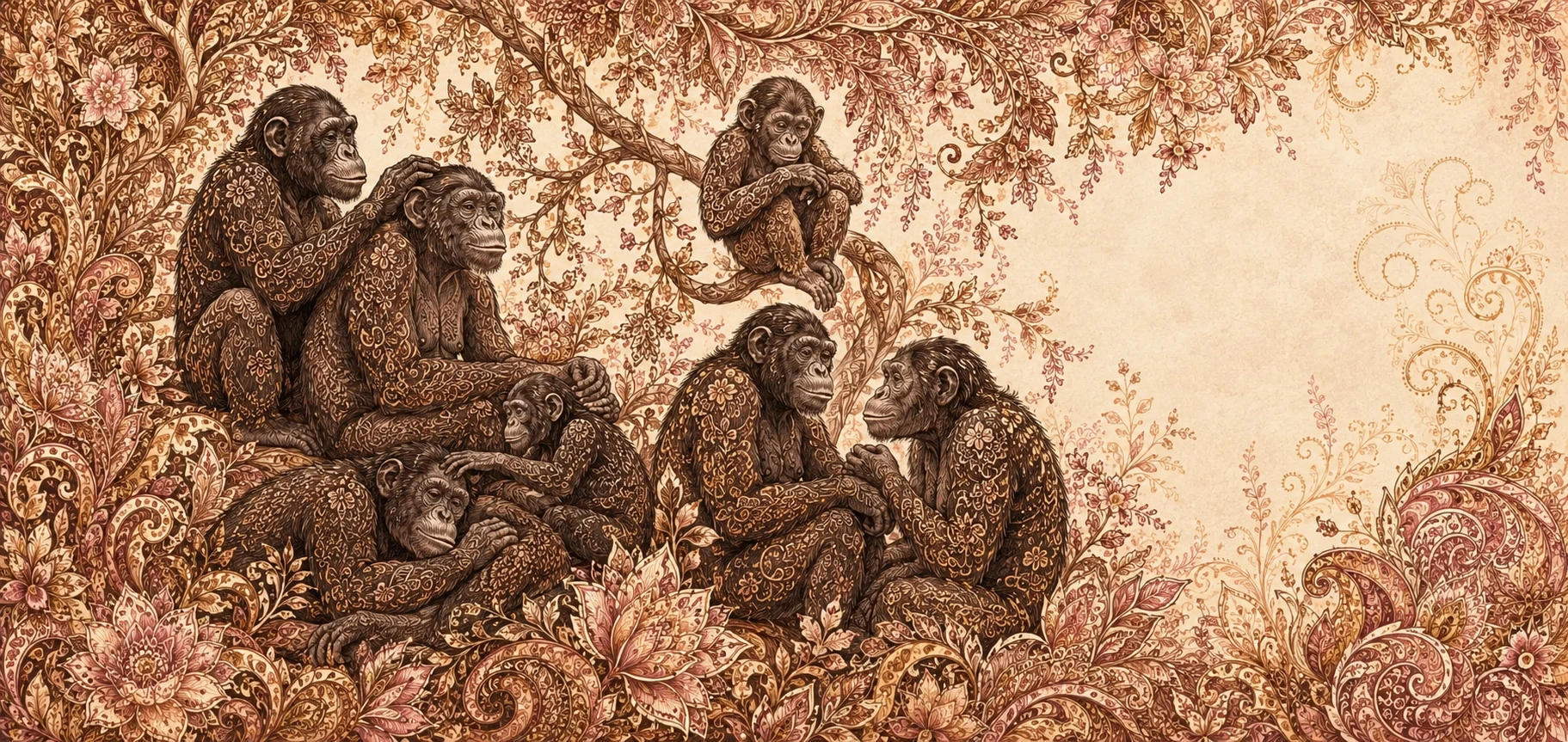
Original writing
Before the word for shame was taught,the hand already knew where warmth was kept.No priest arrived before the pulse did.No law arrived before the want.
They built the fence after the field was already blooming —called it protection, called it order,called the blossom something to be managed.But nothing managed ever asked to be forgivenfor growing toward the sun.
I do not confuse the ache for sin.I do not confuse the giving for the given-up.A body that chooses is not a body that is taken —choosing is the whole of what a body's for.
Let the ones who never asked their own skin a questionkeep their hush, their held breath, their good behavior.I will not apologize for what was herebefore the fence, before the fear,before anyone thought to call it wrongto want, and to be wanted, in the open, in the light.
Founder-approved public definition
Erotic Humanism treats consensual sexuality, desire, embodiment, and pleasure as legitimate parts of human dignity and flourishing. It holds that consent is non-negotiable, adults should be treated as capable agents rather than infantilized, and exploitation is best confronted through ownership, fair terms, economic power, clear boundaries, and accountable structure—not shame or repression.
Erotic Humanism does not claim that everything sexual is automatically good. It distinguishes pleasure from coercion, agency from exploitation, consensual instrumentality from denial of personhood, and founder philosophy from empirical certainty. Its governing commitments are agency without shame, consent without paternalism, pleasure without intellectual diminishment, and creator ownership instead of extraction.
Khajuraho did not inherit Erotic Humanism as a pre-existing named school, and it does not claim to have invented eroticism or humanism. The term names Khajuraho’s deliberate synthesis of older traditions: sexual variation and normalization; critiques of repression, hierarchy, and authoritarian power; erotic power as self-knowledge; embodied personhood; differentiated analysis of objectification; and creator-practitioner traditions of autonomy, ownership, community, and self-determination.
It takes seriously
Bodies, desire, pleasure, and vulnerability belong inside a complete account of human dignity.
Freedom should be paired with meaningful consent, intelligible choices, and respect for boundaries.
Erotic expression is part of art, history, identity, performance, relationship, and social imagination.
Platforms shape what people can express, earn, understand, refuse, and become.
Why bonobos matter
Bonobo research illuminates social bonding, cooperation, empathy, conflict reduction, sexuality, culture, and evolutionary continuity. It offers both evidence and a visual symbol for forms of social life that remain integrated rather than compartmentalized.
That research sits inside a wider humanistic framework shaped by philosophy, art, psychology, history, and the lived reality of embodied people.
The hierarchy
The broader philosophical backbone.
One practical application of that philosophy.
One supporting research contribution and symbol.
Consent, safety, science, legality, and responsible governance remain independent requirements.
Structural commitments
The people making something are the ones who should profit most from making it. Khajuraho runs a 90/10 split favoring creators — not a mission statement, a structural decision.
Sexuality isn't a separate resource to be extracted from someone and sold apart from the rest of who they are. It sits inside a whole person — someone who also thinks, creates, gets tired, has a name. Platforms that forget this build extraction. We're building a relationship instead.
Wanting, being wanted, choosing to be seen — none of it makes a person less serious, less capable, or less worth protecting. The shame was never the safety measure it claimed to be.
A body that feels good is not a body that has stopped thinking. We don't treat pleasure as a distraction from a person's ambitions — it's part of what a full life is made of.
A creator who doesn't own their audience, their pricing, or their exit doesn't have a career — they have a landlord. Everything here is built around the difference.
The synthesis
We didn’t pick a peaceful animal — we picked one whose social life and sexual life were never filed into separate categories to begin with. A bonobo doesn’t compartmentalize affection from cooperation from desire; it’s all one continuous way of being with others. That’s the symbol, not a mascot.
Khajuraho’s temples make the same argument in stone. The erotic carvings don’t hide in a back room — they sit on the outer walls, in full view, on the way toward the sanctum. You pass through desire to reach the sacred, not around it. Nothing there was ever quarantined from the rest of a life well lived.
Put those two next to each other and you get the actual thesis: separating erotic life from the rest of life was never natural law, and it was never sacred law either. It was a decision — made, enforced, and eventually mistaken for how things simply are.
Carl Sagan, working through the same question in Cosmos, put it in terms this direct: child abuse and severe sexual repression are crimes against humanity. Not vices. Not poor taste. Crimes — against the same thing this whole platform is built to protect: a person’s whole, undivided humanity.
Participate thoughtfully